
 English


Views: 665 Author: Site Editor Publish Time: 2025-07-15 Origin: Site


You want strong, safe, and long-lasting doors for your home. uPVC doors give you these benefits. When you look at pvc vs upvc, you see that unplasticized polyvinyl chloride stands out. uPVC doors do not bend or crack easily, so they last longer. Many experts agree that uPVC is better for windows and doors. You also get less maintenance with uPVC doors. PVC doors may cost less, but uPVC doors offer more value over time.
uPVC doors are stronger than PVC doors. They last longer and handle bad weather better. This makes them great for outside use.
PVC doors are softer and cost less money. They work well for inside rooms like bathrooms or closets. These places do not need strong doors.
uPVC doors are easy to take care of. They do not fade, get mold, or break easily. This saves you time and money over many years.
uPVC doors keep your home safer. They have metal parts and special locks. These features help protect your house.
Picking uPVC doors helps save energy. They keep your home comfy and help the environment stay healthy.
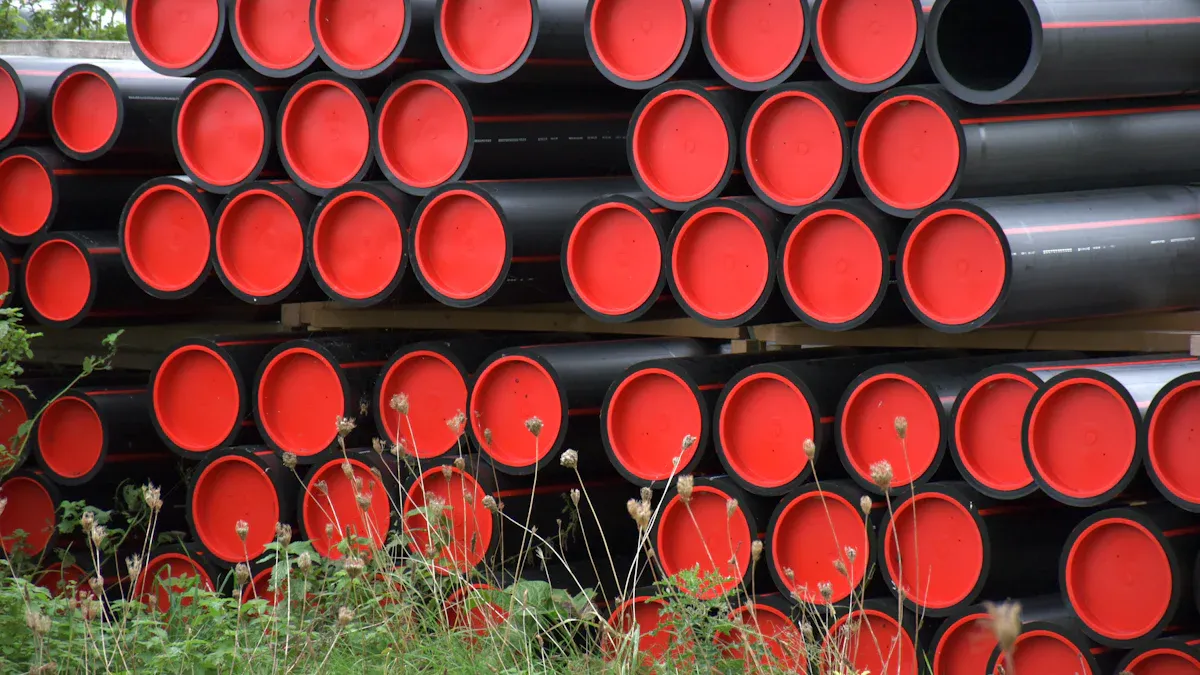
When you look at pvc and upvc, you see they are different. Both come from polyvinyl chloride, but they are made in different ways. PVC doors have plasticizers. These make them soft and bendy. This helps when making things like cables, tubes, and some inside doors. But because pvc is flexible, it is not very strong. PVC doors can break or get damaged outside.
uPVC means unplasticized polyvinyl chloride. It does not have plasticizers. This makes upvc doors hard and strong. They do not bend or change shape easily. You can use upvc doors for outside entrances, patios, and even in stores. uPVC stands up well to sun, rain, and chemicals. It keeps its shape and lasts a long time.
If you want a door that is tough, safe, and can handle weather, pick upvc doors. PVC doors are best for inside, like bathrooms or closets, where you do not need much strength.
| Property/Aspect | PVC Doors (Plasticized) | uPVC Doors (Unplasticized) |
|---|---|---|
| Composition | Has plasticizers to make it bendy | No plasticizers; hard and strong |
| Flexibility | Soft, bends without breaking | Hard, does not bend easily |
| Durability & Strength | Not very strong, can break or crack | Strong, lasts longer, does not wear out fast |
| UV & Weather Resistance | Gets damaged by sun and rain | Handles sun and rain very well |
| Chemical Resistance | Good, but not the best in tough places | Better at handling chemicals |
| Typical Applications | Used for inside doors, bathrooms, tubes | Used for outside doors, windows, patios, stores |
| Lifespan | Does not last as long, can warp or crack | Lasts longer, keeps color and shape |
It is smart to check the good and bad points of pvc and upvc before you pick a door.
PVC doors:
Light and simple to put in.
Bendy and can be shaped for special needs.
Costs less, good for inside rooms.
Not as strong or tough as upvc.
Not good for outside doors because it does not handle weather well.
uPVC doors:
Hard and strong, great for outside and busy places.
Handles sun, rain, and chemicals very well.
Lasts a long time and needs little care.
Keeps its color and shape for years.
Costs a bit more at first, but saves money later.
You can see pvc and upvc are good for different things. If you want a door that lasts and keeps your home safe, pick upvc. For light, inside use, pvc doors can save money. Most people pick upvc for outside doors because it is strong and works well.
When you choose a door, you want it to last for many years. uPVC doors give you a longer lifespan than PVC doors. Most uPVC doors last about 30 years under normal use. Some can even last up to 35 years if you take good care of them. This makes uPVC a smart choice for anyone who wants a door that will not need replacing soon.
PVC doors do not last as long. They tend to become brittle and may crack after several years. You might notice that PVC doors lose their shape or color faster, especially if they face sunlight or rain. The lifespan of PVC doors is shorter because the material is not as strong or weather-resistant as uPVC.
If you want a door that stands the test of time, uPVC doors offer the durability and longer lifespan you need for your home.
Everyday life can be tough on doors. You might bump them, scratch them, or expose them to cleaning chemicals. uPVC doors handle these challenges well. They resist scratches and dents, so they keep looking good even with daily use. You can clean uPVC doors with most household cleaners without worrying about damage. Moisture does not cause them to warp, swell, or rot. This makes uPVC doors a great choice for kitchens, bathrooms, and even outdoor spaces.
PVC doors are more likely to show signs of wear and tear. They can get scratched or dented more easily. Over time, you may see cracks or fading, especially if the door faces direct sunlight. While uPVC doors may fade a little after many years, this does not affect their strength or durability.
uPVC doors resist mold and mildew, so they work well in humid places.
You do not need to spend much time on maintenance, just occasional cleaning.
Choosing uPVC means you get a door that stays strong and looks good for many years. You can trust its durability to protect your home and save you money in the long run.
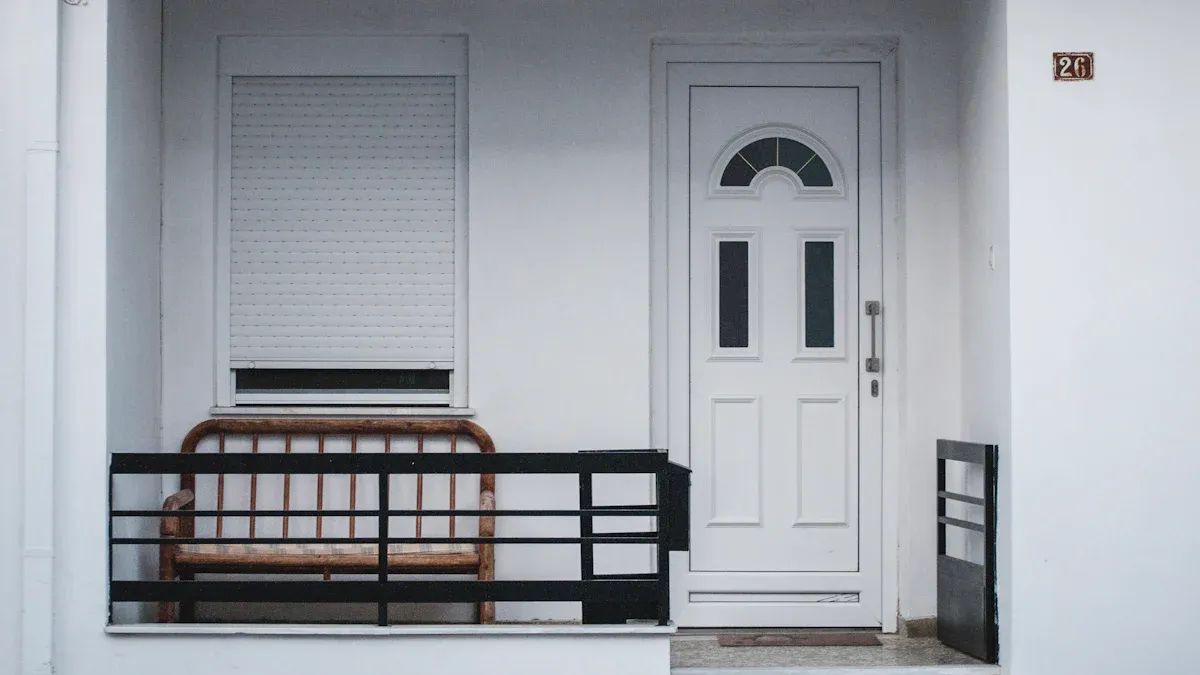
You want your house to be safe. uPVC doors help keep you safe. These doors use unplasticized PVC, so they are much harder than regular PVC. Many uPVC door frames have metal inside, often made from galvanized steel. This makes the doors much stronger and harder to break. You can trust these doors to handle strong hits and bad weather.
uPVC door frames are hollow and can hold metal or composite bars.
These bars make the doors stronger and stop them from bending.
The extra strength helps keep out people who try to break in.
Reinforced uPVC doors are good for places with strong winds or storms.
Manufacturers often give long guarantees for uPVC doors. This shows they believe the doors will last and stay strong. Even though these doors feel light, they take hits better than wood, aluminum, or fiberglass. Many uPVC doors have a multi-point lock. This lock closes the door in many spots, so it is harder to open by force. You get strong doors that help keep your home safe.
PVC doors are not as strong or safe. These doors use plasticizers, so they are softer and bend more. This can be good for some inside rooms, but it does not make the doors strong. PVC doors can bend or crack if pushed hard. They do not have the metal bars that uPVC doors have. This means they can bend, sag, or break if someone tries to open them by force.
You might use PVC doors for closets or bathrooms, where you do not need much security. For outside doors or places that need to be safe, uPVC doors are better. You get stronger doors and better safety for your family.
You want your doors to look clean and fresh. uPVC doors make this easy because they offer low maintenance. You do not need special products or tools. Most of the time, you can keep your uPVC doors looking new by following a few simple steps:
Mix mild soap with warm water. Use a soft cloth or sponge to wipe the door surface.
Avoid using abrasive cleaners, harsh chemicals, or rough cloths. These can scratch or damage the door.
Rinse the door with clean water after washing. This removes any leftover soap.
Clean the glass panels with a glass cleaner and a soft cloth. Make sure you clean both the inside and outside.
Check and clear any drainage slots. This helps prevent water buildup and keeps your door working well.
PVC doors also need cleaning, but you may notice they show dirt or stains more easily. You should avoid ammonia-based cleaners on both types of doors. uPVC doors resist mold and mildew, so you spend less time worrying about deep cleaning. This is one reason many people choose uPVC for low maintenance.
Tip: Clean your doors at least twice a year. If you live in a place with lots of dust or rain, you may want to clean them more often.
You want your doors to open and close smoothly. Good maintenance of the hardware helps with this. uPVC doors have strong hinges, locks, and handles that last a long time. To keep them working well, you should:
Lubricate hinges, locks, and handles once a year with a silicone-based or special uPVC lubricant.
Wipe down all metal parts with a soft cloth. Avoid abrasive products that can cause damage.
Check for loose screws or parts. Tighten them if needed.
Replace worn-out seals or weatherstripping to keep your door energy efficient.
Adjust hinges or locks if the door becomes hard to open or close.
PVC doors need similar care, but their hardware may wear out faster. uPVC doors stand out because they need less frequent repairs. Regular maintenance keeps your door secure and helps it last longer.
Note: Routine maintenance not only keeps your doors looking good but also protects your investment.
You want your doors to look good year after year, even when the sun shines bright. uPVC doors stand out because they resist fading and damage from sunlight. Manufacturers add UV stabilizers and titanium dioxide to uPVC. These special ingredients protect the door from the sun’s rays. Your uPVC door keeps its color and finish, so you do not see yellowing or dullness over time. This means your door stays strong and does not become brittle or crack, even after many summers.
High-quality uPVC doors go through tough weather tests. They keep their like-new color and shine for at least five years, even in places with strong sunlight. You do not have to worry about warping, rotting, or corrosion. This makes uPVC a smart choice for homes in sunny climates. PVC doors, on the other hand, do not have the same level of UV protection. They can fade, lose color, or even crack when exposed to sunlight for long periods.
Tip: If you want a door that keeps its good looks and strength in the sun, choose uPVC. It offers better insulation and helps with energy efficiency by keeping heat out.
Moisture can cause big problems for many doors, but uPVC handles it well. You do not have to worry about rot, swelling, or insect damage. uPVC stays strong and keeps its shape, even in wet or humid places. This makes it perfect for bathrooms, kitchens, or homes near the coast. You get a door that lasts and needs very little care.
PVC doors also resist moisture. They do not absorb water, so they do not swell or rot like wood. You can use them in high-humidity areas. You only need to clean them sometimes, and you never need to seal or varnish them.
uPVC doors do not rust or corrode.
They keep out moisture, so you avoid mold and mildew.
You get long-lasting performance with almost no upkeep.
When you pick uPVC, you choose a door that stands up to both sun and rain. You get peace of mind and a door that looks great for years.
When you shop for new doors, you want to know how much you will spend at the start. PVC doors usually cost less than uPVC doors. You might see a lower price tag on PVC doors at the store. This makes them a popular choice for people who want to save money right away. If you need a door for a closet or bathroom, a PVC door can fit your budget.
uPVC doors cost more at first. You pay a higher price because the material is stronger and lasts longer. Many people choose uPVC doors for outside entrances. You get better security and weather protection. The extra money you spend now can save you from future problems.
Tip: Always check what is included in the price. Some doors come with locks and handles, while others do not.
You want your door to last and keep looking good. uPVC doors give you more value over time. They do not need much care. You do not have to paint or seal them. They resist fading, warping, and cracking. This means you spend less money on repairs and upkeep.
PVC doors may seem cheaper at first, but they can cost more later. They might need repairs or even replacement sooner. Sunlight and rain can damage PVC doors. You may have to fix or replace them after a few years.
Here is a simple cost comparison:
uPVC doors: Higher upfront cost, lower maintenance, longer lifespan.
PVC doors: Lower upfront cost, higher risk of damage, shorter lifespan.
If you want a door that saves you money in the long run, uPVC doors are the better choice. You invest more at the start, but you get peace of mind and fewer worries about repairs.
You want doors that are good for the earth. Both pvc and upvc are plastics, but they are not the same for recycling.
PVC waste stays in landfills for a long time. It does not break down fast.
Making PVC uses lots of energy and makes pollution. Factories let out gases like CO2 and SO2. These gases make air dirty and help cause global warming.
Burning or breaking PVC can make harmful chemicals. These include dioxins and hydrogen chloride. These chemicals can hurt people and animals.
Plasticizers in PVC, such as phthalates, can leak out. This can cause more harm to the environment.
You can recycle upvc more easily than PVC. Many recycling centers take upvc doors and windows. Upvc does not need trees to be cut down, so forests are safe. Picking upvc helps your home use less energy and is better for the planet.
If you pick upvc doors, you help nature and keep your home safe too.
Your health is important at home. You want doors that do not make your family sick. Pvc and upvc are very different here.
PVC can give off bad gases if it burns. These gases can hurt your lungs and make you sick.
Some PVC doors have plasticizers like phthalates. These can get into the air and make you feel sick or hurt your liver and body.
Old PVC products might have lead. Lead is very bad, especially for kids.
Upvc doors do not have phthalates or BPA. Lead-free upvc doors help keep your air clean and safe.
You can trust upvc doors for a healthier home. They do not let out bad chemicals, so you can breathe better. Upvc helps make your home safer for your family.
You can put pvc doors in many rooms inside. These doors are good when you do not need much strength. Many people like pvc doors because they are light and easy to put in. You can find them in lots of colors and looks, so they fit many styles.
Bathrooms and washrooms
Closets and storage rooms
Laundry areas
Office partitions
Commercial spaces needing easy cleaning
Pvc doors do not get damaged by water or chemicals. This makes them a smart pick for wet or damp places. Builders use them in new buildings to save energy and cut down on repairs. Pvc doors meet safety rules like ISO 9001 and ASTM, so you know they are safe. You can also make them fit special doorways.
Tip: Pick pvc doors for rooms that need easy cleaning and when you want to save money.
Upvc doors work best for main doors and places that need to be strong. Architects say upvc doors are great for outside because they last a long time. These doors do not get ruined by sun, rain, or water. You do not have to worry about rust or swelling.
Here are the best places for upvc doors:
Main entryways and safety entrances
Backyard and patio connections
Balcony and garden access
Room dividers in living or dining areas
Kitchen and utility spaces
Garages and storage areas
Spaces needing energy efficiency or noise control
| Type of uPVC Door | Common Locations |
|---|---|
| General uPVC Doors | Patios, living rooms, sunrooms, dining rooms |
| French Doors | Living rooms, bedrooms, dining rooms |
| Lift and Slide | High-rise apartments, verandas, pool decks, conservatories |
| Customized Doors | Architectural spaces, high-end homes |
Upvc doors keep your home safe with strong locks. They help your house stay warm in winter and cool in summer. You can choose from many styles and colors to match your home. Upvc doors do not need much care and last for years, even in bad weather.
Note: Use upvc doors for outside doors or any place where you want safety, to save energy, and to keep your home looking nice for a long time.
You want to make the best choice for your home. When you compare upvc doors and pvc doors, you see clear differences. Upvc doors give you more value and protection for your money. You get a door that stands up to weather, keeps your home safe, and lasts for many years.
Experts suggest you look at these key points when choosing upvc doors:
You save money in the long run because upvc doors are affordable and last a long time.
You spend less time on cleaning and repairs. Upvc doors need only simple care to stay in good shape.
You keep your home warm in winter and cool in summer. Upvc doors help lower your energy bills by keeping heat inside.
You do not worry about damage from storms or strong sun. Upvc doors can handle tough weather and usually last 20 to 25 years with good care.
You feel safe because upvc doors often have a steel core and strong locks. Many come with a 5-point locking system for extra security.
You can pick from more styles and colors than before. Upvc doors now fit many home designs.
You may notice some limits. Upvc doors can sag if not installed well, and they may lose color after many years. They might not match old or classic homes as well as wood doors. Still, for most people, upvc doors are the smart choice.
If you want a door that gives you safety, saves you money, and needs little care, choose upvc doors. You get peace of mind and a home that looks good for years.
Tip: Always check the quality and installation of your upvc doors. Good installation helps your doors last longer and work better.
You want the best for your home. Most homeowners choose upvc doors because they offer strong security, easy cleaning, and great energy savings. These doors last for years, even in harsh weather, and help keep your home comfortable. If you need a door for a closet or a bathroom, PVC doors can work well. Always think about your climate and how much care you want to give. Upvc doors give you peace of mind, comfort, and long-term value.
PVC doors use plasticizers, so they feel softer and bend more. uPVC doors do not have plasticizers. They feel harder and last longer. You get better strength and safety with uPVC.
You can paint uPVC doors, but you need special paint made for plastics. Regular paint may not stick well. Clean the door first. Use a primer for best results.
Yes, uPVC doors are safe for families. They do not have harmful chemicals like phthalates or BPA. You get strong doors that help keep your home secure.
Use warm water and mild soap. Wipe the door with a soft cloth or sponge. Avoid harsh cleaners. Rinse with clean water. Dry with a towel for a nice finish.
Yes, uPVC doors help keep your home warm in winter and cool in summer. They stop drafts and reduce heat loss. You can save money on your energy bills.