
 English


Views: 777 Author: Site Editor Publish Time: 2025-07-03 Origin: Site


A white primed door has a smooth primer coat from the factory. This primer gets the door ready for painting. You do not need to sand or prime the door yourself. This saves you time and effort. A white primed door is not fully finished. You can choose any color to paint it. This gives you more options for your room.
| Feature | White Primed Doors | Fully Finished Doors |
|---|---|---|
| Preparation | Has only a primer coat | Painted or varnished already |
| Installation Readiness | Needs paint before you install it | Ready to install right away |
| Customization | You can paint any color you want | Hard to change after you buy |
| Cost | Costs less money | Costs more money |
A white primed door has a smooth primer coat from the factory. This saves you time and work before you paint it.
You can paint a white primed door any color you like. This lets you match your door to your room’s style.
White primed doors are made from wood, MDF, or composite. Each material has its own good points, like being strong or blocking sound.
These doors are simple to put in and cost less than finished doors. They last longer if you paint and take care of them.
Prehung white primed doors are easier to install and fit better. They are great for new homes or when you remodel.
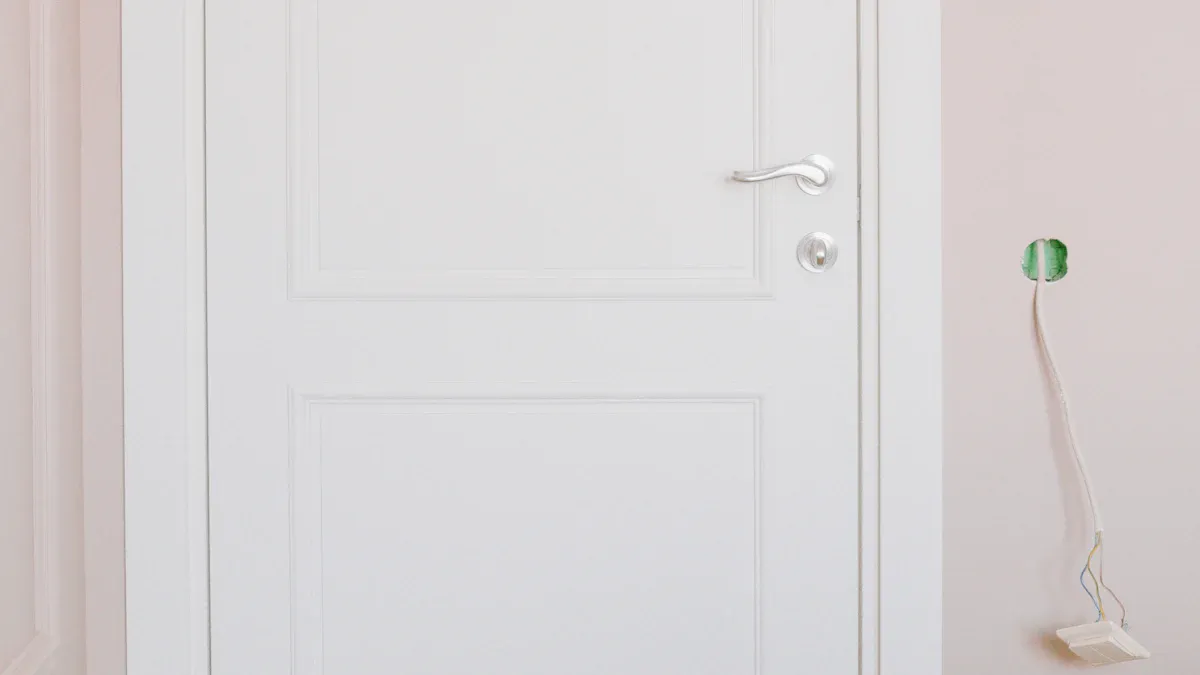
When you choose a white primed door, you often see different materials. Wood is the most common material. It holds the largest market share because it looks beautiful, lasts a long time, and blocks sound well. You can find wood doors made from oak, mahogany, cherry, pine, maple, or fir. These doors fit many styles and can be cut to different sizes and shapes.
You also see doors made from MDF, which stands for Medium Density Fiberboard. MDF uses wood fibers and resin pressed together. This makes the door strong and stable. MDF doors do not warp or crack easily. They feel heavy and solid, which helps block sound. Composite doors, like those with a “Safe-n-Sound” core, use special materials to stay stable in different temperatures and humidity. These doors also block sound and fire better than solid wood. Composite doors may weigh more, so you might need extra hinges.
Tip: MDF and composite doors give you more options for style and finish. Solid wood doors are lighter but can warp if the air gets too wet or dry.
| Material | Properties & Benefits |
|---|---|
| Wood | Natural look, durable, customizable, but can warp with humidity |
| MDF | Very stable, heavy, smooth surface, great for painting, strong soundproofing |
| Composite | Stable in all climates, good sound/fire resistance, more style options, heavier |
You can pick from many styles when you shop for a white primed door. Shaker doors have simple, clean lines. They look modern but also fit classic homes. Flush doors have a flat, smooth surface. They work well in spaces where you want a simple look. Panel doors have raised or flat panels. These doors add detail and can make a room feel more traditional.
White primed solid wood stile and rail doors blend old and new styles. You can paint them bold colors like navy blue or deep green to make a statement. These doors also look great with glass panels or modern hardware, such as brushed brass or matte black handles. This mix of materials and styles lets you match your door to any room design.
Shaker: Simple, square edges, fits modern or classic rooms.
Flush: Flat, smooth, best for a clean, minimal look.
Panel: Raised or flat panels, adds detail, suits traditional spaces.
The primer finish on a white primed door gives you a smooth, even surface. Most primers use a water-based formula with ingredients like titanium dioxide and silica. The primer feels thick and covers the door well. It blocks stains and seals the wood or MDF, so your paint sticks better.
This primer dries quickly, usually in about 30 minutes. You can paint over it after one hour. The primer helps your paint last longer and keeps mold and mildew away. It also makes the final color look even and bright. When you paint a white primed door, you get a strong bond between the door and the paint. This means your door will look good and stay protected for years.
Note: Always make sure the primer is clean and smooth before you paint. This helps your paint go on evenly and last longer.
You might wonder how manufacturers create a smooth, paint-ready surface on your door. The process starts with careful planning and measurement. Workers select the best materials and let the wood adjust to the factory’s climate. Next, they cut and join the door parts with strong joinery. After assembly, they fit hardware like hinges and handles.
Before priming, workers sand the door by hand. This step removes rough spots and prepares the surface for primer. The primer coat goes on next. It covers the door evenly and seals the material. Some factories use more than one coat of primer for extra smoothness. After the primer dries, the door is ready for paint. You can add two coats of your chosen color for a perfect finish. The door must dry completely before you install it.
Here is a simple breakdown of the process:
Measure and plan the door.
Choose and acclimate materials.
Assemble the door with joinery.
Attach hardware.
Sand the surface.
Apply primer coat(s).
Paint after primer dries.
Let the paint dry fully.
Tip: Edge priming is important. It protects the door from moisture and helps paint stick better.
Manufacturers use strict quality control to make sure every door meets high standards. They test doors many times to check for strength and durability. These tests show if the door can handle daily use without damage. Factories follow safety and environmental rules, such as CARB II standards, to ensure safe materials.
You will find that many doors use engineered solid core construction. This design stops warping, cracking, and splitting. Factories also check that the primer finish is smooth and ready for painting. Some doors come with a warranty that covers problems like warping or splitting. If you find a defect, you may get a repair, replacement, or refund.
Repetitive testing for durability and safety
Use of safe, certified materials
Engineered solid core to prevent warping
Smooth primer finish for easy painting
Warranty for manufacturing defects
Note: Quality control helps you get a door that lasts longer and looks great in your home.
A white primed door makes painting much easier for you. When you buy an unfinished door, you need to sand, clean, and prime it before you even start painting. This takes a lot of time and effort. You also need to wait for the right weather, or your paint might not dry well. With a white primed door, you skip these steps. The door comes with a smooth primer coat from the factory. You only need to add your favorite paint color.
You save time because the door is already primed.
You get a smooth, even surface that helps your paint stick better.
You avoid problems like uneven paint or weather delays.
You use less paint because the primer seals the door.
Tip: A primed door also shows any small flaws, so you can fix them before painting. This helps you get a perfect finish.
You can match a white primed door to any room in your home. The primer coat gives you a blank canvas. You can choose any paint color or finish you like. This makes it easy to fit your door with your style, whether you want a bold color or a soft, classic look. You can also add special hardware or glass panels for a unique touch.
Paint any color you want
Add your choice of handles or locks
Use in modern or traditional spaces
A white primed door works well in bedrooms, bathrooms, offices, and more. You get flexibility and creative control.
A white primed door stands up well to daily use. The primer seals the surface, which helps protect against moisture, dust, and scratches. This makes the door last longer, even in busy areas. The primer also helps prevent paint from peeling or chipping. You spend less time on repairs and touch-ups.
Sealed surface resists humidity and stains
Primer helps paint last longer
Strong materials keep the door solid and stable
Note: Choosing a white primed door can save you money over time. You use less paint and spend less on repairs.
You can use a white primed door in many rooms around your home. These doors work well in bedrooms, bathrooms, closets, and utility rooms. Many homeowners choose them because they are lightweight and easy to handle. You get a door that is affordable and ready for painting. This means you can match your door to any color scheme in your house. The smooth surface lets you paint quickly and get a clean finish.
Bedrooms
Bathrooms
Closets
Utility rooms
A white primed door fits almost any style. You can use it in modern, classic, or even rustic homes. The door’s versatility makes it a popular choice for many families.
You also see white primed doors in many commercial spaces. Offices, hospitals, and schools often use these doors. The solid core construction gives extra strength and helps block noise. You get a door that resists splitting and shrinking, even with heavy use. The thicker build (1 ¾”) adds more durability.
These doors help keep rooms quiet and comfortable. They also provide insulation against heat and cold. Many businesses like the clean, bright look of white doors. This style makes rooms feel larger and more welcoming. In places where a neat appearance matters, such as hospitals or offices, these doors are a smart choice.
Double primed and ready for painting
Durable and strong
Good for noise and temperature control
Clean, spacious appearance
You can buy a white primed door as a prehung unit. This means the door comes already attached to a frame with hinges. You do not need to fit the door into an old frame. Prehung doors save you time during installation. They also help you get a better fit and seal.
You find these doors in many sizes to match your needs. Whether you need a door for a small closet or a wide entry, you have options. Prehung doors work well in both new buildings and remodeling projects.
Tip: Prehung white primed doors make installation easier and faster, especially if you want a smooth, professional result.
When you select a white primed door, you want to match it to your needs and space. Consider these important factors:
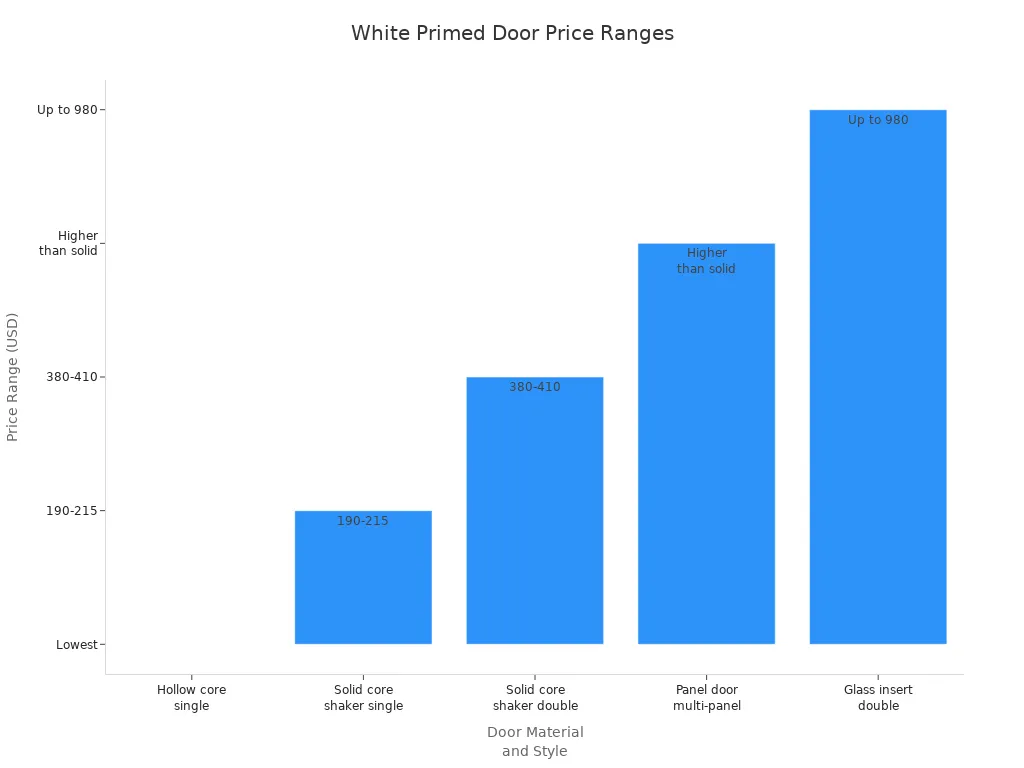
Material: Solid wood gives natural beauty and strength. Solid core doors offer sound insulation and durability. Hollow core doors are lightweight and budget-friendly.
Style: Choose from shaker, panel, or glass designs. Shaker doors have clean lines. Panel doors look classic or modern. Glass panels let in more light.
Finish and Texture: Pre-primed doors are easy to paint. You can pick semi-gloss or matte finishes to match your walls.
Size and Fit: Measure your opening carefully. Standard widths range from 18 to 36 inches. Heights are usually 80 or 96 inches.
Installation Type: Slab doors fit existing frames. Pre-hung doors come with a frame and hinges for new spaces.
Cost: Hollow core doors cost less. Solid core and solid wood doors cost more but last longer and block sound better.
Trends: White doors brighten rooms and fit many styles. Eco-friendly materials and textured finishes are popular.
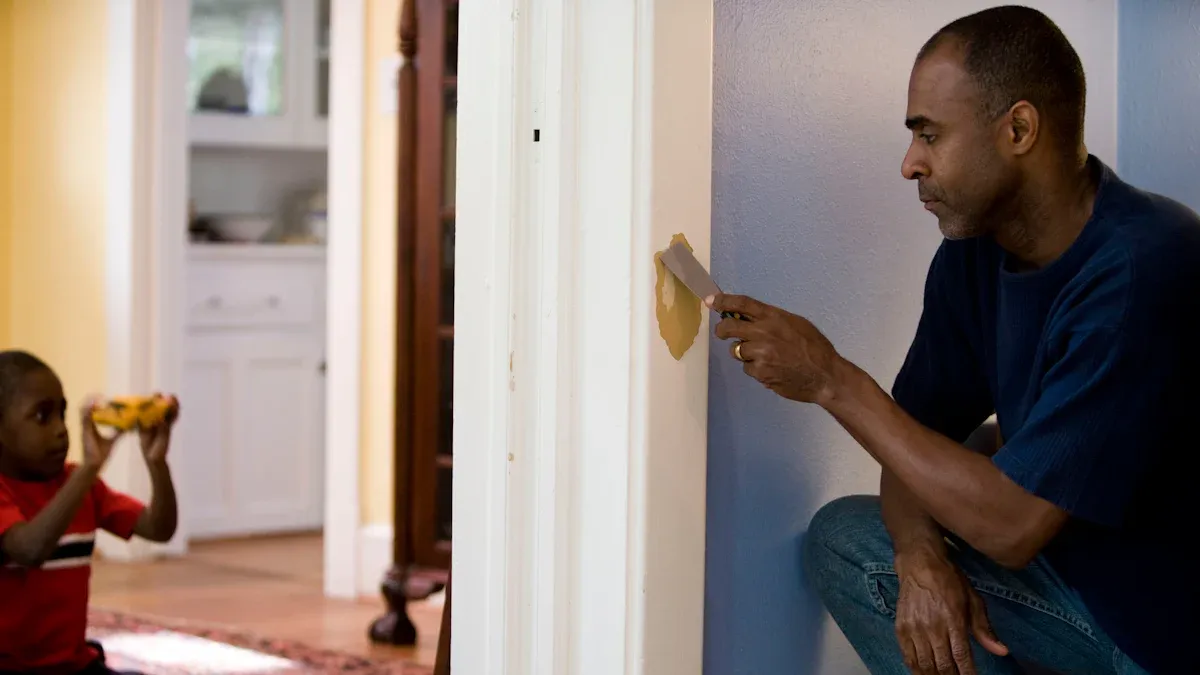
To get a professional look, follow these steps:
Remove hardware and clean the door.
Fill any dents with wood filler and sand smooth.
Wipe away dust with a tack cloth.
Use a compatible paint, such as waterborne alkyd or urethane alkyd enamel, for best results.
Paint edges first, then panels, rails, and flat surfaces.
Let the paint dry, sand lightly, and add a second coat.
Tip: Always paint your white primed door. Leaving it unpainted exposes it to moisture and damage.
Keep your door looking new with simple care:
Wipe with a soft, damp cloth and mild soap.
Dry the surface after cleaning.
Protect from excess moisture and direct sunlight.
Check and tighten hardware often.
Use curtains or blinds to prevent fading.
Regular cleaning and care help your door last longer and keep its fresh look.
A white primed door is easy to use and saves money. You can paint it any color you like. You can pick a smooth or wood grain look. Some doors even have glass windows.
You spend less money and save time.
This door works with many home styles.
If you finish your door the right way, it stays safe from water, bending, and color loss. Always use good steps when you paint and put in your door.
Here are some mistakes you should not make:
| Mistake | Impact |
|---|---|
| Using low-quality paint | The door can turn yellow and lose color |
| Painting uncured wood | The door may get stains and look bad |
You can read guides or ask experts for help with picking, caring for, and putting in your door. This helps your door look nice and last a long time.
You get a door with a smooth, white primer coat from the factory. This primer prepares the door for painting. You do not need to sand or prime it yourself.
You should always paint your white primed door. The primer protects the door, but paint gives full protection from moisture and stains. Unpainted doors can get damaged more easily.
You should wipe the door with a damp cloth to remove dust. Use mild soap if needed. Let the door dry completely before you start painting.
You get the best results with water-based or alkyd enamel paints. These paints stick well to primer and give a smooth, durable finish. Always follow the paint maker’s instructions.
Yes, you can use white primed doors in bathrooms. The primer helps protect against humidity. For extra protection, use a high-quality paint made for damp areas.