
 English




Have you ever wondered what makes a PVC door a popular choice for homes and businesses?
PVC (Polyvinyl Chloride) is a durable, low-maintenance material that’s transforming modern construction.
In this post, we’ll explore what PVC doors are, their benefits, types, and how they’re made.
We’ll also cover why they’re a great choice for both residential and commercial use.
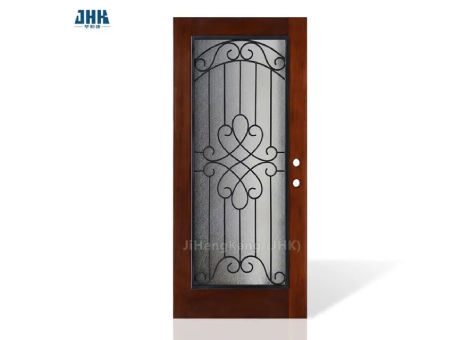
PVC doors are a popular choice in modern construction due to their strength, affordability, and low-maintenance characteristics. Made from Polyvinyl Chloride (PVC), they offer excellent resistance to moisture, making them ideal for spaces like bathrooms and kitchens. PVC is a type of plastic that, when combined with other materials, results in a door that’s lightweight but highly durable.
A common confusion arises between PVC and uPVC (unplasticized PVC). While both are made from the same base material, uPVC is a more rigid version with no plasticizers. This makes uPVC stronger and more durable, which is why it's often used in the production of windows and external doors. PVC doors, however, are also sturdy and can be used for both interior and exterior applications.
The production of a PVC door involves several stages. First, the frame is created using either MDF (Medium Density Fiberboard) or wood. This frame provides the structure and support for the door. Inside the frame, a honeycomb filling is inserted. This honeycomb core is made of kraft paper and helps to lighten the door while adding strength and stability.
Next, the surface of the door is covered with PVC material. The PVC is applied to the MDF panel using a heat-pressing method, ensuring that it bonds securely. This process gives the door its smooth, shiny finish, which is easy to clean and resistant to damage. The final step involves adding edge banding to seal the edges of the door. This process is what gives PVC doors their sleek, polished look.
The inclusion of uPVC in the manufacturing process helps improve the door’s durability, especially when it comes to moisture resistance. It ensures the doors don’t warp, crack, or swell, unlike wooden doors that can suffer from changes in humidity.
PVC doors typically have a leaf thickness of about 42 mm, which includes the frame and the MDF panels. The MDF panels themselves usually range from 4 to 6 mm in thickness. These panels give the door strength while keeping it relatively light.
The frame, which is a crucial part of the door’s structure, is usually made from spruce or fir wood. These materials are chosen for their moisture resistance, which ensures the door lasts longer without swelling or warping.
PVC doors are commonly produced in the standard size of 90x209 cm, but custom sizes can be made to fit specific requirements. This flexibility makes PVC doors ideal for various spaces, from homes to commercial properties.
In terms of durability, PVC doors stand out. Their resistance to moisture is one of their biggest advantages, making them perfect for bathrooms, kitchens, and other high-humidity areas. Additionally, they offer fire resistance and soundproofing, ensuring a higher level of safety and privacy for your spaces. Whether it's protecting against fire, noise, or moisture, PVC doors are engineered to perform well in diverse conditions.
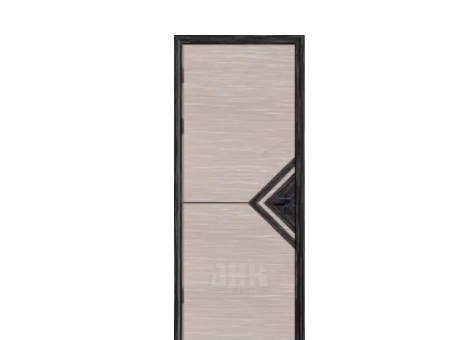
PVC doors are highly durable and stand out for their long-lasting performance. Unlike wooden or metal doors, which can warp, crack, or corrode over time, PVC doors are resistant to these issues. They can withstand extreme weather conditions, from heavy rain to strong sunlight, without deteriorating. Moreover, PVC doors are termite-resistant, a major advantage over wooden doors, which can be susceptible to pest damage. The material is also moisture-resistant, making it perfect for areas like bathrooms and kitchens where humidity is a concern.
One of the key benefits of PVC doors is their minimal maintenance requirements. Traditional wooden doors often need regular painting, staining, and sealing to protect them from the elements, which can be time-consuming and costly. In contrast, PVC doors don’t require any of these treatments. The smooth surface is easy to clean with just a damp cloth, saving you both time and money. Plus, since the color and pattern are integrated into the material, they won’t fade or peel, ensuring they always look fresh and new.
PVC doors are an economical choice for both homes and businesses. The initial cost of a PVC door is lower than that of a wooden or metal door, making them a budget-friendly option for people looking to replace or install doors. The real cost-saving comes over time: PVC doors require little to no maintenance, which means you won’t have to spend money on repairs, repainting, or treatments like termite control. Given that they last for years without any significant deterioration, PVC doors provide excellent value for money.
PVC doors offer fantastic insulation properties. Their solid structure helps reduce heat transfer, which is beneficial for energy conservation. This makes PVC doors a great choice for enhancing energy efficiency in your home or business. In the summer, they help keep cool air inside and in the winter, they keep warmth in. This natural insulation can significantly reduce your reliance on heating and cooling systems, leading to lower energy bills. So, not only do PVC doors improve comfort, but they also help you save money in the long run.
Another major benefit of PVC doors is the wide range of customizability options available. Whether you want a sleek modern look or a traditional wood appearance, PVC doors can be made to suit your style. With various colors, finishes, and textures to choose from, you can find the perfect door to match your interior or exterior design. Furthermore, PVC doors can be manufactured to custom sizes, ensuring a perfect fit for any door frame. Their versatility allows them to complement both residential and commercial settings, offering flexibility in design without compromising durability.
While functionality is key, PVC doors don’t sacrifice style. The ability to mimic other materials like wood and metal allows PVC doors to blend seamlessly with any décor. Whether you’re aiming for a contemporary look or something more classic, there’s a PVC door style for every preference. With options to add patterns, textures, or decorative features, PVC doors can enhance the aesthetic appeal of your home or office space.
PVC doors offer excellent soundproofing properties, making them ideal for noisy environments. Whether you're looking to block out street noise in a home or reduce distractions in a commercial setting, PVC doors can help create a quieter space. Their solid construction and insulating properties work together to minimize the transmission of sound, ensuring a more peaceful atmosphere.
PVC doors are also a more environmentally friendly choice compared to traditional wood doors. Since PVC is a recyclable material, it contributes less to environmental waste. By choosing PVC, you’re supporting sustainability efforts, as the production process uses fewer natural resources and produces less pollution. Furthermore, recycled PVC doors are available, which helps reduce the demand for new materials and minimizes landfill waste.
PVC doors offer a range of benefits that make them an attractive option for anyone looking to improve their space. With their durability, low maintenance, cost-effectiveness, and customizability, they stand out as a top choice for homeowners and businesses alike. Whether you're replacing an old door or installing new ones, PVC doors provide an affordable, energy-efficient, and stylish solution for any building.
PVC doors come in various styles, suitable for different spaces and purposes. Whether you need an interior door for your home or an exterior door to enhance your entryway, PVC offers a range of options. Let's look at the common types of PVC doors and their uses.
Barn Doors: These doors add a rustic or modern touch to your home. Ideal for living rooms or as closet doors.
Sliding Doors: Perfect for spaces with limited floor space, like bathrooms or smaller rooms.
Bifold Doors: Great for closets or room dividers, allowing easy access while saving space.
Louvered Doors: Used in rooms that need ventilation, such as laundry rooms or kitchens.
These interior doors are often found in bathrooms, kitchens, offices, and bedrooms. Their versatility and easy maintenance make them a great choice for any indoor space.
Entryway Doors: Strong and secure, PVC entry doors are perfect for keeping your home safe.
Patio Doors: Sliding PVC doors are ideal for patios, providing easy access to outdoor spaces without taking up extra room.
French Doors: For a more elegant look, these double doors are great for both interior and exterior applications.
Hinged and Folding Doors: Widely used for main entrances and patios, offering style and practicality.
These exterior PVC doors are excellent for areas like entryways, patios, and main entrances. They combine durability, security, and aesthetic appeal.
Tailored Options: PVC doors can be customized to fit your unique needs.
Sizes and Finishes: Whether you need a specific size or a particular finish, manufacturers offer a wide variety.
Special Designs: Customize the look and feel of your door to match your home or business décor.
Custom PVC doors allow flexibility for both residential and commercial uses, giving you the freedom to create a door that fits perfectly into your space and style.
PVC doors are incredibly durable, often outlasting their wooden or metal counterparts. Typically, a PVC door can last up to 30 years, whereas wooden doors may begin to show signs of wear and tear, such as warping, cracking, or fading, within 10-15 years. The durability of PVC doors is due to their resistance to moisture, heat, and physical wear.
In terms of weather conditions, PVC doors are highly resilient. Unlike wooden doors that absorb moisture and swell, PVC doors remain unaffected by humidity. This makes them perfect for high-moisture environments like bathrooms, kitchens, and basements. Additionally, PVC is not prone to rust or corrosion, which is often an issue with metal doors exposed to rain or harsh outdoor conditions. This gives PVC doors an edge over both wood and metal, especially in places with fluctuating temperatures or heavy rainfall.
When it comes to high-traffic areas, PVC doors hold up remarkably well. In busy offices or homes with kids and pets, these doors are scratch-resistant and can handle bumps and knocks without showing damage. Their ability to resist impacts makes them a popular choice for residential and commercial applications.
PVC doors are low-maintenance, making them a hassle-free option for homeowners. To keep them looking fresh, simply wipe the door down with a damp cloth to remove dust and dirt. For stubborn marks, a mixture of mild soap and water should do the trick. It’s best to avoid harsh chemicals or abrasive cleaners, as they can damage the surface and cause discoloration.
If you notice small scratches or chips in the surface of the door, don’t panic. Repairing these imperfections is relatively simple. For light scratches, you can use a plastic filler or a PVC repair kit to fill in the damaged area. After applying the filler, smooth it out and, if necessary, paint over it with a PVC-compatible paint. Larger cracks or dents might require professional attention, but PVC doors generally don’t suffer from significant damage like wooden doors.
Another tip for extending the lifespan of your PVC door is to regularly check the hinges and locks. Over time, these parts might need lubrication to ensure the door opens and closes smoothly. Keeping these components in good shape will prevent wear and ensure your door continues to function properly.
One of the standout features of uPVC doors (unplasticized polyvinyl chloride) is their fire-resistant properties. Unlike wood, which is highly flammable, PVC doors are designed to be more resistant to flames. While they are not entirely fireproof, uPVC doors don’t easily catch fire and will not contribute to the spread of flames in the event of a fire.
This fire resistance is especially important in homes and buildings where fire safety is a concern. uPVC doors are widely used in both residential and commercial properties because they provide an extra layer of safety compared to other materials. Furthermore, they won’t emit toxic fumes in the case of a fire, making them a safer option for your home or office.
While no material is completely immune to fire, uPVC doors provide peace of mind, knowing that they will withstand initial fire exposure longer than wood or metal doors.
PVC doors offer durability, low maintenance, and energy efficiency, making them a great choice for both homes and businesses. However, they may lack the appearance and strength of natural wood or metal.
A: PVC doors are recyclable, making them a more eco-friendly option than wood. While not biodegradable, they are a durable, long-lasting material that reduces waste compared to alternatives like wood, which requires deforestation.
A: Yes, PVC doors can be painted with appropriate PVC-compatible paints. It’s best to use a paint that’s designed for plastic to ensure durability and proper adhesion.
A: PVC doors typically cost between $200-$500 for interior models and $800-$1400 for exterior models. They are more affordable than wooden doors, which can cost more for similar durability.
A: PVC doors are ideal for exterior use due to their weather resistance. They don’t warp, crack, or rust, making them suitable for outdoor environments.
A: Yes, PVC doors are lightweight and come prehung, making DIY installation easier. However, complex installations may require professional assistance.