
 English




Looking for an affordable and stylish door option? Melamine doors might be the perfect choice for you.
Made by coating MDF or particleboard with melamine resin-impregnated paper, these doors are gaining popularity in modern interior design.
In this post, we’ll explore the benefits, production process, and key factors to consider when choosing melamine doors for your space.
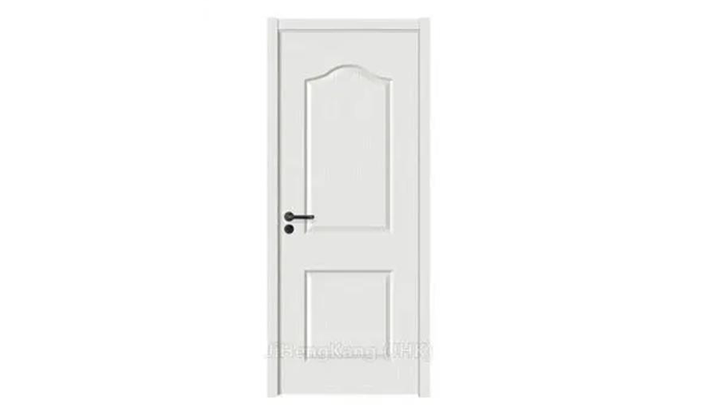
Melamine doors are a type of engineered door made by bonding a layer of melamine resin-impregnated paper to a core material like MDF (Medium Density Fiberboard) or particle board. This combination provides the doors with durability, a smooth finish, and a variety of aesthetic options. Melamine doors are popular due to their affordability, ease of maintenance, and versatile designs, making them a common choice in both residential and commercial interior design.
The core of melamine doors typically consists of one of three materials:
MDF (Medium Density Fiberboard): A highly refined wood product, MDF provides a smooth and even surface, making it ideal for applications requiring high-quality finishes.
Particle Board: Often a more economical choice, particle board is composed of wood particles bonded with resin, offering a less durable yet cost-effective option.
Moisture-Proof Board: Used in areas with high humidity or moisture exposure (like bathrooms or kitchens), this material is designed to resist swelling and damage from moisture.
The melamine resin-impregnated paper is applied to the surface of these cores. It acts as a protective layer, contributing to the door’s aesthetic qualities and durability.
The process of making melamine doors involves several steps to create the final product. Here’s a breakdown of the process:
Coating: First, a layer of melamine resin-impregnated paper is applied to the MDF or particle board. The paper comes in various colors and textures, including designs that mimic wood grains, solid colors, or other patterns.
Curing: After coating, the door goes through a curing process, where heat and pressure are applied to bond the melamine paper firmly to the core material. This ensures the paper adheres well and sets the desired texture.
Pressing: Once cured, the door is pressed to remove any air bubbles and ensure a uniform and smooth surface. This step also ensures that the melamine layer is fully bonded to the substrate, making the door more durable.
Finishing: Finally, the door may undergo additional finishing processes, such as edge banding or trimming, to create a polished and completed look.
Different substrates used in melamine door manufacturing affect the final product's quality and suitability for various environments:
MDF (Medium Density Fiberboard): Offers a smooth, even surface and is ideal for painting or covering with decorative materials. It's known for minimal imperfections, providing a high-quality finish.
Particle Board: A more cost-effective option, although not as durable or resistant to damage as MDF. It is often used in less demanding applications.
Moisture-Proof Board: An excellent choice for high-humidity areas, moisture-proof board offers enhanced protection against moisture absorption, making it ideal for kitchens and bathrooms.
Melamine resin-impregnated paper provides several advantages to melamine doors:
Durability: The melamine surface is resistant to scratches, stains, and impacts. It’s more durable than many traditional wooden doors.
Variety of Designs: The melamine coating can be made to mimic the look of different wood grains, patterns, or solid colors, giving homeowners and designers a wide range of aesthetic choices.
Easy Maintenance: The smooth, non-porous surface of melamine doors makes them easy to clean. A simple wipe with a damp cloth is often enough to remove dirt or dust. However, it's important to avoid using harsh chemical cleaners, as they can damage the surface.
Affordability: Compared to solid wood doors, melamine doors are typically much more affordable, making them a popular choice for budget-conscious projects without compromising on style.
Melamine doors offer a great balance of affordability, durability, and aesthetic flexibility. Whether for residential or commercial spaces, their manufacturing process and material composition ensure they meet the needs of modern interior design.
Melamine doors are suitable for many residential and commercial applications, including high-traffic areas like offices and hallways. However, over time, the melamine coating can wear down, especially in high-contact areas. They are prone to scratches, chipping, and surface deformation, which can affect their appearance. While the melamine surface offers some protection against everyday wear, it doesn’t compare to the durability of natural wood or metal doors. The coating provides an initial level of protection, but with time, its ability to resist abrasion and impacts decreases.
Melamine doors come in a wide array of designs and textures, making them adaptable to various interior styles. Whether you’re looking for a wood-like appearance or a sleek, modern finish, melamine offers a lot of choices. The material can mimic wood, stone, and even metals, providing diverse options for home and office spaces. However, the texture quality of melamine isn’t on par with natural wood. While it may look like wood at a glance, it doesn’t have the authentic grain or unique texture, and it may feel more plastic-like to the touch. Over time, the visual appeal may fade, especially in areas exposed to heavy use.
One of the major advantages of melamine doors is their easy cleaning. They typically have a smooth surface that can be wiped down quickly with a damp cloth. This makes them a practical option for households with children or pets. However, melamine doors can be sensitive to harsh cleaning agents. Chemical cleaners or abrasive scrubs can scratch or damage the surface, making the doors prone to discoloration. Stick to mild cleaning solutions to preserve the surface integrity and appearance of your melamine doors.
Melamine doors are often chosen for their cost-effectiveness. They are significantly more affordable than natural wood or PVC doors, making them a popular choice in budget-conscious home renovation projects. The cost-effectiveness, however, comes with some limitations in quality. While melamine doors are practical and provide a wide range of styles, their longevity and performance may not be on par with more expensive alternatives. Natural wood doors, for example, are more durable but at a higher price point, reflecting their superior quality and natural beauty. Melamine doors strike a balance between affordable pricing and reasonable durability for the cost-conscious homeowner.
The lifespan of melamine doors largely depends on the environment they are in and how well they are maintained. In dry indoor environments, melamine doors can last a long time, typically around 10-15 years. However, they are more susceptible to damage in humid areas such as bathrooms or kitchens, where moisture exposure can cause them to warp or deform over time. Melamine doors are also vulnerable to impacts, such as dents or scratches from heavy use. Despite their lower cost, it’s important to be aware that melamine doors may need replacing sooner than more robust door types, especially in areas with high humidity or heavy foot traffic.
Melamine doors are a popular choice for low-budget home projects. These doors offer an affordable yet stylish solution for homeowners looking to create modern interiors without breaking the bank.
They are commonly used in kitchens, bathrooms, and bedrooms, providing a sleek, clean look. Their wide range of colors and finishes makes them adaptable to any home style, from contemporary to traditional.
While they’re ideal for budget-conscious home renovations, they may not hold up well in areas with heavy wear and tear, as the surface can show signs of damage over time.
In offices and commercial spaces, melamine doors are often selected for temporary solutions or as budget-friendly decorative options.
These doors work well in high-traffic areas such as conference rooms, waiting areas, and storage rooms, where the aesthetic appeal matters but durability and long-term performance are not the main concern.
Because melamine doors are easy to maintain and can be installed quickly, they are an attractive choice for businesses looking to save on costs while still maintaining a professional look.
Melamine doors are often chosen for hotel and mass production projects, offering a cost-effective way to outfit large numbers of rooms or units.
These doors are ideal for projects requiring bulk production because they are quick to manufacture and relatively inexpensive. Hotels, in particular, can use melamine doors to create stylish, uniform looks across many rooms while sticking to a tight budget.
However, as with other low-cost materials, melamine doors require maintenance over time. Their surfaces may degrade due to exposure to moisture or physical wear, so regular upkeep is necessary to preserve their appearance.
When purchasing melamine doors, always check the material quality. The substrate (core material) plays a major role in the door’s durability.
Low-end melamine doors often use particleboard, which is more prone to wear and moisture damage.
High-quality melamine doors typically feature MDF or moisture-proof boards, providing better resistance to moisture and impact.
The choice of substrate can significantly affect how well the door holds up over time.
It’s essential to match the melamine door’s design to your interior theme.
Melamine doors come in various colors and finishes, but over time, they may fade or show signs of deformation.
Choose colors and designs that complement your room decor. However, keep in mind that some designs may lose their appeal as they age.
Proper installation is crucial to the performance of your melamine door.
Incorrect installation can affect the door’s functionality and aesthetics.
Be careful during installation to avoid damage, especially since melamine doors are prone to scratching and chipping.
Ensure the door is properly aligned and the edges are sealed to prevent moisture damage.
Melamine doors are often chosen for their affordability and wide design options. However, natural wood doors have a distinct aesthetic appeal that melamine can't replicate perfectly.
Durability: Wood doors are generally more durable and long-lasting, while melamine doors are prone to scratching and wear over time.
Cost: Melamine doors are more affordable than wood doors, making them an excellent option for budget-conscious projects.
Aesthetics: Wood provides a natural look that is difficult for melamine to match, but melamine doors offer a uniform and consistent finish.
When comparing melamine doors to PVC doors, there are several key differences.
Material Properties: Melamine doors are made by coating MDF or particleboard with melamine resin-impregnated paper, while PVC doors are typically made from rigid plastic.
Durability: PVC doors tend to be more durable and resistant to moisture, while melamine doors can deform in humid conditions.
Cost: Melamine doors are generally less expensive than PVC doors.
Aesthetics: PVC doors come in a wider range of styles and are often more modern, while melamine doors can offer a variety of finishes mimicking wood.
Affordable: Melamine doors are a cost-effective option for both residential and commercial projects.
Wide Variety of Designs: Available in numerous textures and colors to fit any style.
Low Maintenance: Easy to clean with a damp cloth, requiring minimal upkeep.
Prone to Wear: Susceptible to scratching, denting, and surface degradation over time.
Limited Aesthetic Quality: While they can mimic wood, the texture and depth are not as authentic as real wood.
Susceptible to Moisture Damage: They can warp or deform if exposed to high levels of moisture.
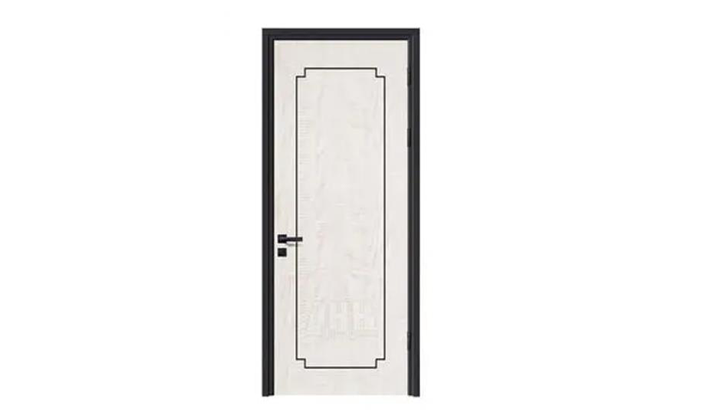
To keep your melamine door looking new, simply use a damp cloth to wipe away dirt and dust.
For tougher spots, apply mild soap and warm water. Avoid harsh chemicals and abrasive cleaners, as these can damage the surface, leaving marks or discoloration.
Minor scratches on melamine doors can be fixed using a plastic filler or melamine repair kit.
Simply apply the filler to the scratch, smooth it out, and let it dry. If the damage is more severe, consider professional repair or replacement. Melamine doors are more prone to wear over time, so act quickly to prevent further damage.
Regularly inspect your melamine door, especially in high-traffic areas. Look for signs of wear, scratches, or surface deformation.
Early detection can help you address issues before they worsen. For areas with frequent use, check the door's functionality to ensure it opens and closes smoothly.
Melamine doors offer an affordable option with many design choices. However, they are not as durable as wood or PVC doors and can be prone to wear over time.
When selecting a melamine door, consider factors like design, durability, and cost. It’s important to choose a reliable supplier to ensure quality and longevity.
A: Melamine doors are made from renewable materials like MDF or particleboard, making them an eco-friendly choice. However, they are not biodegradable, though the melamine coating can be recycled.
A: While melamine doors can be painted, it is important to use a primer suitable for melamine surfaces. Opt for high-quality paint designed for plastic or laminate for better adhesion.
A: Melamine doors are a cost-effective option, typically ranging from $50-$200, depending on size and design. They are more affordable than wooden or PVC doors.
A: Melamine doors are not ideal for exterior use. They are susceptible to moisture and may warp or degrade over time when exposed to the elements.
A: Yes, melamine doors are relatively easy to install as DIY projects, especially if pre-hung. However, for complex installations, professional help may be needed to ensure proper fitting and functionality.